Introduction
In moments of dilemma, understanding just how to carry out mouth-to-mouth resuscitation can mean the distinction between life and death. Whether you're at home, at work, or out in the neighborhood, recognizing how to offer help can encourage you and those around you. This post is committed to helping you find local mouth-to-mouth resuscitation classes that will furnish you with the skills necessary to save lives. From understanding the principles of mouth-to-mouth resuscitation to innovative resuscitation methods, we'll discover everything you need to know.
Find Regional CPR Classes: Change Yourself into a Lifesaver
Finding neighborhood mouth-to-mouth resuscitation classes is much easier than ever. With different companies using training sessions, both in-person and online, there's no reason not to be prepared. You might be wondering: Where do I start?
Why Learn CPR?
Learning CPR isn't practically getting a skill; it's about being ready when it counts. In heart emergencies, every second matters.
- Quick Response: The faster someone receives CPR, the better their chance of survival. Empowerment: Recognizing you can make a difference instills confidence. Community Impact: You contribute to creating safer environments.
The Function of AEDs in CPR
Automated Exterior Defibrillators (AEDs) play a critical duty in resuscitation initiatives.
How They Work: AEDs examine heart rhythms and supply shocks when needed. Accessibility: Many public spaces are now furnished with AEDs for immediate use. Combining Strategies: Making use of an AED together with mouth-to-mouth resuscitation can considerably raise survival rates.Understanding Incorrect Compression Depth
One common blunder during CPR is incorrect compression depth.
- Adult vs. Kid vs. Infant: The deepness differs based upon age: Adults: At the very least 2 inches Children: Regarding 2 inches Infants: Regarding 1.5 inches Importance of Depth: Inadequate deepness can result in inefficient circulation.
CPR Techniques for Various Situations
How to Do CPR
Here's a step-by-step overview on carrying out basic grown-up mouth-to-mouth resuscitation:
Ensure the scene is safe. Check for responsiveness. Call for help or have somebody phone call emergency services. Begin upper body compressions at a price of 100-120 per minute. After every 30 compressions, offer 2 rescue breaths.Tips for Effective Upper body Compressions
- Keep your arms straight. Use your body weight for force. Compress difficult and fast.
Infant mouth-to-mouth resuscitation Technique
When it involves babies, strategies vary considerably:
Use 2 fingers for compressions. The depth need to be about 1.5 inches. Deliver rescue breaths by securing your mouth over their mouth and nose.Combination Training Options
CPR and Emergency treatment Combination Courses
Combining CPR training with first aid courses improves your preparedness for emergencies.
- Comprehensive Training: Understand numerous clinical emergencies along with resuscitation techniques. Certification Advantages: Lots of organizations provide twin accreditation upon completion.
Age-Specific Guidelines
Age-Specific mouth-to-mouth resuscitation Standards Australia
Different age groups need tailored methods:
|Age|Compression Depth|Proportion|
|-----------|------------------|-------|
|Grown-up|A minimum of 2 inches|30:2|
|Child|Regarding 2 inches|30:2|
|Baby|Around 1.5 inches|30:2|
Special Circumstances in Resuscitation
CPR for Sinking Victims
Drowning sufferers have unique requirements:
Prioritize rescue breaths because of the nature of asphyxiation. Perform compressions if there's no heart beat after rescue breaths are administered.Sports-related Cardiac Arrest
Athletes might deal with sudden cardiac arrest during activities.
Immediate activity is vital; initiate mouth-to-mouth resuscitation without delay. Utilize readily available AEDs without delay if accessible.Workplace Emergency situation Plans
Having workplace emergency situation plans can save lives:
- Train staff members frequently on fundamental emergency treatment and mouth-to-mouth resuscitation skills. Conduct drills that imitate real-life scenarios involving heart attack or injuries needing prompt attention.
The Misconceptions Surrounding CPR
It's necessary to debunk myths surrounding this lifesaving method:
Myth # 1: "Mouth-to-mouth Resuscitation Always Restarts Heart"
While numerous think that breast compressions will certainly constantly reactivate the heart, this isn't real-- it's meant to maintain blood circulation up until professional help arrives.
FAQs
Q1: What is the validity period of a CPR certificate?
A1: Generally, many qualifications need revival every two First Aid Training Wagga Wagga years; nonetheless, this might differ by organization and locale.
Q2: Can I take online mouth-to-mouth resuscitation certification?
A2: Yes! Numerous certified companies offer online certification that includes video clip demonstrations and quizzes.
Q3: Exist certain guidelines for healthcare providers?
A3: Definitely! Healthcare provider accreditations commonly consist of advanced methods constant with current health standards.
Q4: Exactly how do I discover regional classes?
A4: Undergo organizations like the Red Cross or local wellness departments for schedules near you!
Q5: What devices do I need for reliable training?
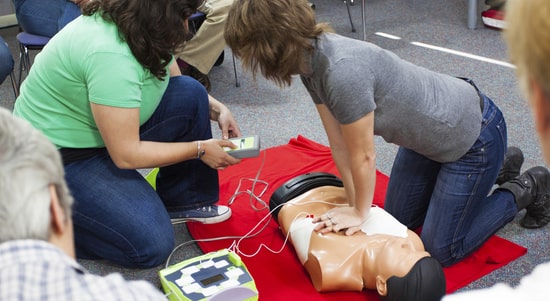
A5: Fundamental training typically needs mannequins for technique; some training courses might also offer AED simulators.
Q6: Exist resources particularly customized for Australian audiences?
A6: Yes! Numerous Australian health and wellness bodies provide localized standards and training choices customized to local needs.
Conclusion
Transforming on your own into a lifesaver starts with choosing local classes where you can find out essential skills like mouth-to-mouth resuscitation and emergency treatment methods customized particularly for various circumstances-- whether resolving First Aid Training in Wagga Wagga sports-related cardiac arrest or making use of AEDs effectively alongside standard approaches like upper body compressions and rescue breaths.
By taking part in these training courses, not just do you outfit yourself with knowledge that might possibly conserve lives yet also end up being a vital source within your neighborhood-- a person that stands all set in times of situation! So why wait? Locate regional mouth-to-mouth resuscitation courses today and welcome the power of being prepared!
This thorough overview has covered numerous facets connected to finding regional CPR courses while guaranteeing you're equipped with useful expertise that reinforces your capability as a lifesaver!